





Who should attend
Anyone who wants to improve their knowledge and understanding of well completions and interventions. It is particularly suited to those who have some industry experience and going to be working in a completion or intervention team. This course is also suitable for industry professionals who, whilst not directly involved in completion or interventions, would benefit from having a better understanding of the topic. For example, drilling engineers, production engineers, production chemists.
Course objectives
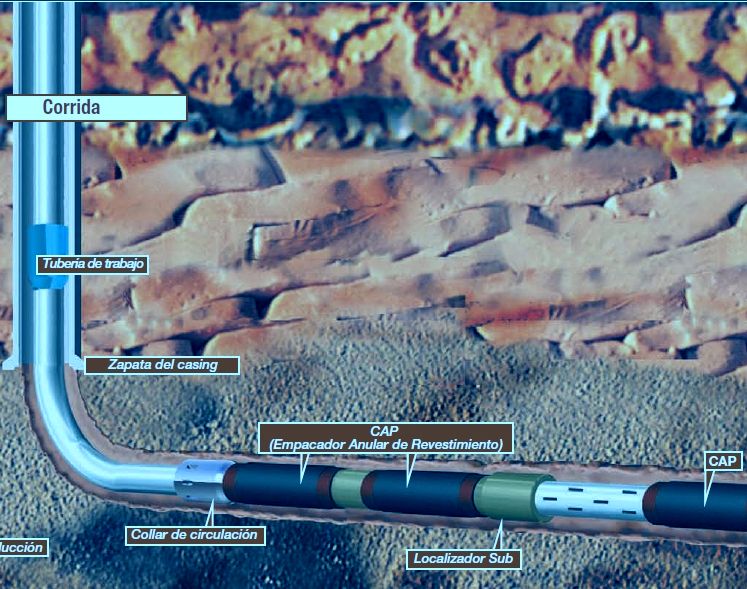
The aim of this course is to provide those attending with a comprehensive insight into how a well is completed. It also provides an overview of post completion intervention methods including rig assisted workovers and live well interventions using wireline, coiled tubing and hydraulic workover.
Key learning points
- A better understanding of the influence reservoir characteristics has on completion design.
- An improved understanding formation damage, and formation damage mechanisms – the importance of protecting the reservoir when drilling, completing and intervening in a well.
- Understanding the importance of barriers (design, installation, testing, monitoring) from the design phase through to abandonment.
- Understanding the function and importance of essential completion components, e.g. packers, safety valves, flow control systems etc.
- Completion installation best practice.
- Well control during completion, workover and intervention operations.
- Best practices for rig assisted interventions.
- Live well intervention best practice (wireline, coiled tubing and hydraulic workover)
Course content
The structure of the course follows a logical sequence with the title ‘From the Reservoir to the Stock Tank’ and takes the form of a series of lectures (PowerPoint presentations) interspersed with syndicate work and ‘knowledge reviews’.
Module1: Reservoir Characteristics.
This module introduces the student to basic reservoir properties and covers the following subjects:
- The importance of well productivity throughout the lift of the field.
- Basic Formation properties (porosity and permeability).
- Formation pressure and temperature.
- Formation fluids. Key hydrocarbon properties, including bubble point, formation volume factor and gas oil ratio. Formation water properties.
- Inflow basics (Darcy radial inflow).
- Formation damage.
- Water and gas coning
- Flow efficiency, PI and skin.
Module 2: Constructing the Wellbore:
- Well Trajectory
- An introduction to the different types of reservoir completions (cased vs open hole)
- Critical data needed to design a completion and the impact that different aspects of well construction has on well performance. Subjects covered include:
- Drill-in fluid.
- Hole size and condition.
- Trajectory (plan vs actual).
- Leak-off testing.
- Log and core data.
- Well test data.
- Cement evaluation and remedial cementing.
Module 3: Drilling and Completion fluids.
- The basic functions and differences between reservoir drill-in fluids and clear (completion) brine systems.
- Transition between drill-in fluid and completion brine (hole cleaning)
- Completion brine properties and design (density and density correction, crystallisation, brine safety, brine compatibility, filtration and fluid loss control with LCM).
Module 4: The Lower (reservoir) Completion.
- Hard rock completions.
- Cased and perforated (perforating methods and design)
- Pumping and stimulation (fracturing).
- Soft rock (sand control) completions.
Module 5: The upper completion.
- Tubing performance and tubing size selection.
- Tubing stress analysis.
- Tubing material selection (corrosion and erosion).
- Packers.
- Sub-surface Safety Valves.
- Other completion components.
Module 6: Wellheads and Trees.
This module will include chokes and valves. There will be an option to include subsea trees (vertical dual bore, vertical mono-bore and horizontal trees) depending regional requirements.
Module 7:
This module discusses ‘best practices’ for installing a completion and includes discussion on:
- Completion programmes.
- Planning and logistics.
- Tubing handling.
- Preparing a tally and spacing out the completion.
Module 7a (optional)
- Running subsea completions (vertical and horizontal tree landing string and riser systems).
Module 8: Producing the well:
- Post completion production start-up.
- Getting the well to flow (Coil tubing gas lift and swabbing)
- Cleaning up the well through a well test spread.
- Annulus fluid expansion.
- Flow assurance.
- Production chemistry (Scale, wax, hydrates etc).
- Well integrity.
Module 9: Rig Assisted (dead well) Workovers – best practice.
- Well kill.
- Barriers.
- Tubing recovery (milling and fishing).
Module 10: Live well interventions – best practice.
- Wireline. (Slickline, braided cable and e-line)
- Coiled Tubing.
- Hydraulic Workover (snubbing)
Students will be provided with electronic copies of all the PowerPoint slides along with paper copies of case studies and class exercises.
In addition, students will receive a copy of ‘Well Control for Completions and Interventions’ by Howard Crumpton (Gulf Professional Publishing, 2018). Although the emphasis of the book is on well control, the chapters on well construction and completion design, completion equipment, completion fluids, well testing, pumping and stimulation, wireline, coiled tubing, hydraulic workover all provide a useful overview of, and compliment, the course content.
